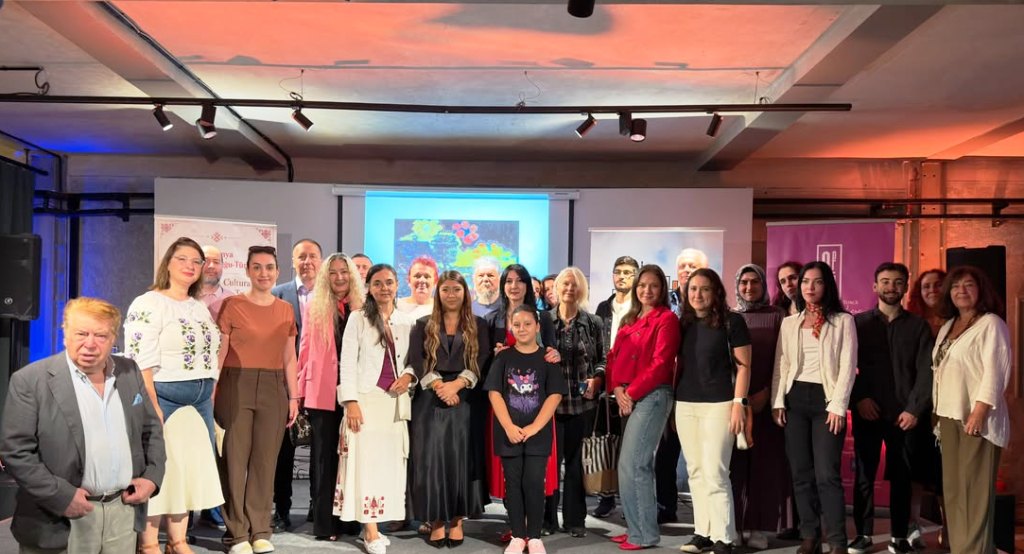
Kadim Medeniyetin İzleri Moda ile Geleceğe Taşındı
Atelier İst Aycan Öktem Koleksiyonu Cemile Sultan Korusu’nda Büyüledi
Siirt’in binlerce yıllık kültürel mirası, geleneksel motifleri, özgün dokuları ve tarihsel hafızası, Atelier İst Aycan Öktem imzasıyla çağdaş moda dünyasında yeniden hayat buldu.

25 Eylül 2026 Cuma akşamı Cemile Sultan Korusu’nda gerçekleştirilen “Yeniden Siirt” defilesi, yalnızca bir moda gösterisi değil; kültür, sanat, tarih, tasarım ve sosyal sorumluluğu aynı platformda buluşturan etkileyici bir kültür projesi olarak dikkat çekti.
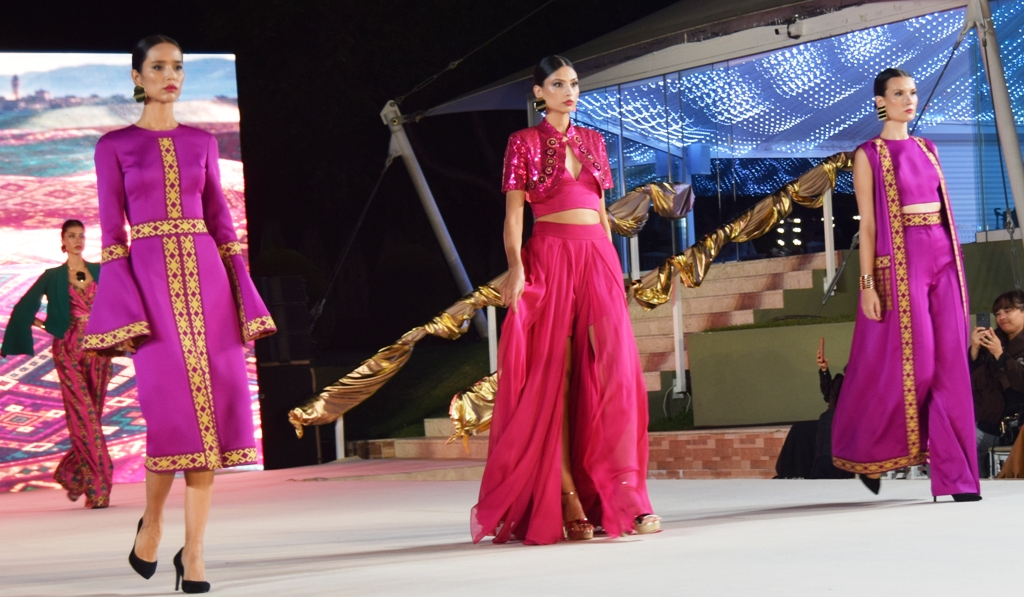
Gecenin en güçlü unsurlarından biri, Atelier İst Aycan Öktem “Yeniden Siirt” koleksiyonunun tasarım dili ve kumaş kalitesi oldu. Siirt’in kadim medeniyetlerinden, mimarisinden, geleneksel motiflerinden ve arkeolojik mirasından ilham alan tasarımlar, modern çizgilerle yeniden yorumlanarak podyuma taşındı.
Koleksiyonun ortaya koyduğu estetik anlayış, Siirt’in yalnızca tarihsel bir geçmişe sahip olmadığını; bu mirasın doğru bir tasarım vizyonuyla günümüz dünyasında güçlü bir kültürel ve ekonomik değere dönüşebileceğini de gösterdi.

Podyumda Siirt’in Ruhu Vardı
56 parçalık koleksiyon, Siirt’in plaka numarasından ilhamla hazırlanırken, kentin tarihsel ve kültürel kimliğinin farklı unsurlarını tasarımlara taşıdı.
Kilim desenleri, geleneksel motifler, mimari izler ve bölgenin arkeolojik mirası; çağdaş moda anlayışı içerisinde yeniden yorumlandı. Özellikle Gusir Höyük ve Siirt çevresinin kadim tarihinden alınan ilham, koleksiyona yalnızca estetik değil, güçlü bir hikâye de kazandırdı.
Tasarımlarda kullanılan kumaşların çeşitliliği ve niteliği de koleksiyonun dikkat çeken yönleri arasında yer aldı. Saten, şifon, brokar, ipek ve payet gibi farklı kumaşların yanı sıra Siirt’te özel olarak dokunan kumaşlara da yer verilmesi, koleksiyonun özgün karakterini güçlendirdi.
Bazı kumaşların aile sandıklarında saklanan eski tekstil ürünlerinden değerlendirilerek yeniden tasarımlara kazandırılması ise geçmiş ile bugünün aynı kumaş üzerinde buluşmasını sağladı.
Kök boyaların tercih edilmesi ve üretim sırasında ortaya çıkan kumaş parçalarının çanta ve cüzdan gibi farklı ürünlere dönüştürülmesi de koleksiyonun sürdürülebilirlik anlayışını ortaya koydu.

“Bu Sadece Bir Moda Etkinliği Değil”
Gecenin açılışında konuşan moda tasarımcısı, mimar ve İstanbul Aydın Üniversitesi öğretim görevlisi Aycan Öktem, “Yeniden Siirt” projesinin yalnızca estetik tasarımların sergilendiği bir moda etkinliği olmadığını vurguladı.
Öktem, gecenin kadim bir kültürün yeniden hayat bulmasına tanıklık ettiğini belirterek, projenin iki önemli amacı bulunduğunu ifade etti.
Bunlardan ilki, Doğu ve Güneydoğu Anadolu’da eğitim imkânı bulamayan kız çocuklarının eğitimine destek olmak; ikincisi ise Siirt’in tarihsel ve arkeolojik değerlerinin daha geniş kitlelere tanıtılması ve turizme kazandırılmasına katkı sağlamak.
Aycan Öktem, projenin ortaya çıkmasında en büyük destekçilerinden biri olarak Hüseyin Öktem’e teşekkür ederken, “Yeniden Siirt” ile geçmişten gelen kültürel mirasın modern tasarım diliyle buluşturulmasını hedeflediklerini ifade etti.
Öktem ayrıca koreografiyi gerçekleştiren Ferhat Aral ve ekibine, projeye katkı sağlayan tüm destekçilere teşekkür etti.

Hüseyin Öktem: “Fabrikalardan Daha Uzun Ömürlü Bir Miras Bırakabiliriz”
Gecede konuşan Partner Teknik Group Yönetim Kurulu Başkanı Hüseyin Öktem ise projeye neden destek verdiklerini anlatırken, sanayi yatırımlarının yanı sıra kültürel mirasın korunmasının da gelecek kuşaklar açısından büyük önem taşıdığına dikkat çekti.
Öktem, uzun yıllardır sanayi ve mühendislik alanında faaliyet gösterdiklerini belirterek, fabrikaların ekonomik ömürlerinin onlarca yıl olabileceğini, ancak kültürel mirasın korunması halinde yüzyıllar boyunca yaşayabilecek bir değer oluşturulabileceğini ifade etti.
Siirt'in tarihsel zenginliklerinin yalnızca geçmişe ait bir değer olarak görülmemesi gerektiğini belirten Öktem, bölgenin arkeolojik mirasının korunmasının turizm, yatırım, istihdam ve ekonomik kalkınma açısından da önemli fırsatlar yaratabileceğine işaret etti.
Konuşmasında Göbeklitepe örneğine dikkat çeken Hüseyin Öktem, arkeolojik değerlerin doğru biçimde tanıtılmasıyla şehirlerin milyonlarca ziyaretçiye ulaşabildiğini belirterek, Siirt’in de kendi tarihsel değerleri üzerinden benzer bir farkındalık oluşturabileceğini dile getirdi.
Öktem, Siirt’in kültürel mirasının gelecek nesillere aktarılmasının yalnızca kamu kurumlarının değil, özel sektörün ve toplumun da ortak sorumluluğu olduğunu vurguladı.
Aynur Ayaz’ın Zarif Sunumu Geceye Ayrı Bir Renk Kattı
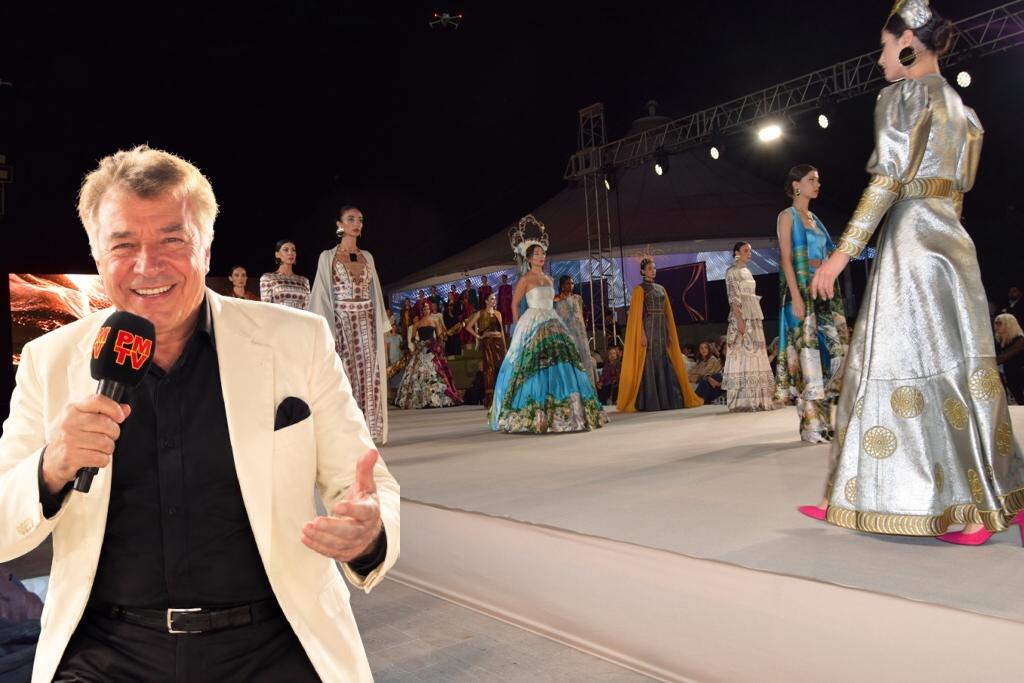
Gecenin sunuculuğunu ise TV program yapımcısı, haber spikeri ve sunucu Aynur Ayaz üstlendi.
Şıklığı, güçlü sahne hakimiyeti ve düzgün Türkçesiyle dikkat çeken Ayaz, gecenin akışını başarıyla yönetti. Açılış konuşmasının ardından Aycan Öktem’i sahneye davet eden Ayaz, defilenin profesyonel atmosferine önemli katkı sağladı.
Ayaz’ın gece kapsamında yürüttüğü sunuculuk ve PR çalışmaları da “Yeniden Siirt” projesinin kamuoyuna aktarılmasında önemli bir rol üstlendi.

Siirt’in Kültürel Mirası Avrupa Standartlarında Bir Moda Diliyle Buluştu
“Yeniden Siirt” defilesinde ortaya çıkan tablo, projenin yalnızca yöresel değerleri tanıtmakla sınırlı olmadığını gösterdi.
Kumaşların kalitesi, tasarımların özgünlüğü, geleneksel motiflerin çağdaş yorumları ve koleksiyonun bütünsel estetik dili, Siirt kültürünün uluslararası moda dünyasında kullanılabilecek güçlü bir tasarım kaynağı olduğunu ortaya koydu.
Bu açıdan koleksiyon, Siirt’in kültürel değerlerini yalnızca Türkiye içinde tanıtmayı değil, gelecekte Türk tasarımının uluslararası alandaki görünürlüğüne katkı sağlayabilecek bir marka hikâyesinin başlangıcını da oluşturabilecek nitelikte.
Siirt’in kadim medeniyetlerinden ilham alan motiflerin modern kıyafetlerde yeniden hayat bulması, geçmişin nostaljik bir hatıra olarak saklanması yerine geleceğin tasarım diline dönüştürülmesi açısından da dikkat çekici bir yaklaşım ortaya koydu.
Moda, Kültür ve Eğitim Aynı Projede Buluştu
“Yeniden Siirt”in belki de en anlamlı yönlerinden biri, moda ve kültür projesinin sosyal sorumluluk amacıyla desteklenmesi oldu.
Projenin eğitim imkânı kısıtlı kız çocuklarına katkı sağlamayı hedeflemesi, defileyi klasik bir moda organizasyonunun ötesine taşıdı.
Böylece podyumda yalnızca kıyafetler değil; bir şehrin tarihi, kadın emeği, kültürel mirası, sürdürülebilirlik anlayışı ve çocukların eğitimine yönelik bir sosyal sorumluluk düşüncesi de yer aldı.
Bu yönüyle “Yeniden Siirt”, geçmişten aldığı ilhamı geleceğe yönelik bir toplumsal faydaya dönüştürme iddiası taşıdı.

Siirt İçin Yeni Bir Marka Hikâyesinin Kapısı
Daha önce gerçekleştirilen basın buluşmasında da ortaya konulduğu gibi projenin uzun vadeli hedefi, Siirt’in tarihini, kültürünü, gastronomisini, tekstil mirasını ve geleneksel değerlerini aynı marka hikâyesi içerisinde buluşturmak.
Kentin gastronomik değerlerinden kültürel mirasına, geleneksel motiflerinden modern tasarımlarına kadar uzanan bu bütüncül yaklaşım; “Siirt” adının yalnızca coğrafi bir isim değil, kültürel bir marka değeri olarak konumlandırılmasını hedefliyor.
Bu noktada “Yeniden Siirt” projesinin önünde önemli bir potansiyel bulunuyor.
Doğru üretim, doğru markalaşma ve uluslararası tanıtım stratejisiyle Siirt’in özgün motifleri ve tekstil mirası, Türkiye’nin yeni nesil kültürel moda markalarından birinin temelini oluşturabilir.
Bir Defileden Daha Fazlası
Cemile Sultan Korusu’nda gerçekleştirilen “Yeniden Siirt” gecesi, izleyenlere yalnızca bir defile sunmadı.
Tarih kumaşa, kültür tasarıma, gelenek moderne, sosyal sorumluluk ise geleceğe dönüştü.
Atelier İst Aycan Öktem ve Partner Teknik Group iş birliğiyle hayata geçirilen proje, Siirt’in binlerce yıllık geçmişini günümüzün estetik diliyle yeniden yorumlayarak kültürel mirasın nasıl çağdaş bir değere dönüştürülebileceğini gösterdi.
Koleksiyondaki tasarımlar, kumaşların niteliği ve geleneksel motiflerin modern yorumlarıyla son derece güçlü bir görsel bütünlük oluştururken, projenin eğitim ve kültürel miras boyutu geceye ayrı bir anlam kattı.
“Yeniden Siirt”, Siirt’in geçmişine bakarken geleceğini de tasarlayan; kültürü modaya, modayı sosyal sorumluluğa, sosyal sorumluluğu ise marka değerine dönüştürme iddiası taşıyan dikkat çekici bir kültür girişimi olarak hafızalarda yerini aldı.
Siirt’in kadim medeniyetlerinden doğan bu hikâye, doğru adımlarla yalnızca Türkiye’nin değil, dünyanın da tanıyabileceği özgün bir Türk marka hikâyesine dönüşebilecek güçlü bir potansiyel taşıyor.
yilmazparlar@yahoo.com
Renewed Siirt Fashion Show – Atelier İst Aycan Öktem Collection
Traces of an Ancient Civilization Carried into the Future Through Fashion
Atelier İst Aycan Öktem Collection Captivates at Cemile Sultan Grove
Siirt’s thousands of years of cultural heritage, traditional motifs, distinctive textures and historical memory came to life once again in the contemporary fashion world under the signature of Atelier İst Aycan Öktem.
Held on Friday evening, September 25, 2026, at Cemile Sultan Grove, the “Renewed Siirt” fashion show was much more than a fashion presentation; it stood out as an impressive cultural project bringing together culture, art, history, design and social responsibility on the same platform.
One of the most striking elements of the evening was the design language and fabric quality of the Atelier İst Aycan Öktem “Renewed Siirt” collection. Inspired by Siirt’s ancient civilizations, architecture, traditional motifs and archaeological heritage, the designs were reinterpreted through contemporary lines and brought to the runway.
The aesthetic vision of the collection demonstrated that Siirt is not only a city with a deep historical past, but that this heritage can also be transformed into a powerful cultural and economic value in the contemporary world through the right design vision.
The Spirit of Siirt on the Runway
The 56-piece collection was inspired by Siirt’s license plate number and incorporated different elements of the city’s historical and cultural identity into its designs.
Kilims patterns, traditional motifs, architectural traces and the region’s archaeological heritage were reinterpreted through a contemporary fashion perspective. In particular, the inspiration drawn from Gusir Höyük and the ancient history of the Siirt region gave the collection not only an aesthetic dimension but also a powerful narrative.
The variety and quality of the fabrics used in the designs were also among the collection’s most notable features. Alongside satin, chiffon, brocade, silk and sequined fabrics, specially woven fabrics from Siirt were also incorporated, strengthening the collection’s distinctive character.
Some fabrics preserved in family trunks were carefully reintroduced into the designs, creating a meaningful meeting point between the past and the present on the same fabric.
The use of natural dyes, together with the transformation of leftover fabric pieces into products such as bags and wallets, also reflected the collection’s approach to sustainability.
“This Is More Than a Fashion Event”
Speaking at the opening of the evening, fashion designer, architect and Istanbul Aydın University lecturer Aycan Öktem emphasized that the “Renewed Siirt” project was not simply a fashion event showcasing aesthetic designs.
Öktem stated that the evening was a celebration of the revival of an ancient culture and explained that the project has two major objectives.
The first is to support the education of girls who have limited access to educational opportunities in Eastern and Southeastern Anatolia. The second is to contribute to introducing Siirt’s historical and archaeological values to wider audiences and supporting their development as tourism assets.
Aycan Öktem expressed her gratitude to Hüseyin Öktem, one of the project’s major supporters, and emphasized their aim of bringing the cultural heritage inherited from the past together with a modern design language through “Renewed Siirt.”
Öktem also thanked Ferhat Aral and his team for their choreography, as well as all supporters who contributed to the project.
Hüseyin Öktem: “We Can Leave a Legacy That Lasts Longer Than Factories”
Speaking during the evening, Partner Teknik Group Chairman Hüseyin Öktem explained why they supported the project and emphasized that protecting cultural heritage is as important for future generations as industrial investment.
Öktem noted that they have been active in industry and engineering for many years, explaining that while the economic lifespan of factories may be measured in decades, preserving cultural heritage can create a value capable of surviving for centuries.
He stressed that Siirt’s historical wealth should not be viewed merely as a legacy of the past, noting that protecting the region’s archaeological heritage could also create significant opportunities for tourism, investment, employment and economic development.
Referring to Göbeklitepe in his remarks, Hüseyin Öktem noted that archaeological values can attract millions of visitors when properly preserved and promoted, and suggested that Siirt could also create similar awareness around its own historical heritage.
Öktem emphasized that transferring Siirt’s cultural heritage to future generations is not solely the responsibility of public institutions, but a shared responsibility involving the private sector and society as a whole.
Aynur Ayaz Adds Elegance to the Evening
The evening was hosted by TV program producer, news anchor and presenter Aynur Ayaz.
With her elegant appearance, strong stage presence and fluent delivery, Ayaz successfully guided the program throughout the evening. Following her opening remarks, she invited Aycan Öktem to the stage and contributed to the professional atmosphere of the fashion show.
Ayaz’s hosting and PR work for the event also played an important role in presenting the “Renewed Siirt” project to the public.
Siirt’s Cultural Heritage Meets a European-Level Fashion Language
The “Renewed Siirt” fashion show demonstrated that the project goes far beyond simply promoting local values.
The quality of the fabrics, originality of the designs, contemporary interpretations of traditional motifs and the collection’s overall aesthetic language revealed the potential of Siirt’s cultural heritage as a powerful source of inspiration for the international fashion world.
In this respect, the collection is not limited to promoting Siirt’s cultural values within Türkiye. It also has the potential to become the starting point for a brand story capable of contributing to the international visibility of Turkish design in the future.
The reinterpretation of motifs inspired by Siirt’s ancient civilizations through modern garments represents a remarkable approach: rather than preserving the past merely as a nostalgic memory, it transforms that heritage into part of the design language of the future.
Fashion, Culture and Education United in One Project
One of the most meaningful aspects of “Renewed Siirt” was the project’s combination of fashion and culture with a social responsibility mission.
The project’s aim of contributing to educational opportunities for girls with limited access to education carried the fashion show beyond the boundaries of a conventional fashion event.
Thus, the runway presented not only garments, but also the history of a city, women’s craftsmanship, cultural heritage, sustainability and a social responsibility vision focused on children’s education.
In this respect, “Renewed Siirt” represents an effort to transform inspiration drawn from the past into social benefit for the future.
Opening the Door to a New Brand Story for Siirt
As highlighted during the earlier press meeting, the project’s long-term vision is to bring together Siirt’s history, culture, gastronomy, textile heritage and traditional values within a single brand story.
This holistic approach, extending from the city’s gastronomic heritage to its cultural legacy and from traditional motifs to contemporary designs, aims to position “Siirt” not merely as a geographical name, but as a cultural brand value.
At this point, the “Renewed Siirt” project presents significant potential.
With the right production, branding and international promotion strategies, Siirt’s distinctive motifs and textile heritage could form the foundation of one of Türkiye’s emerging cultural fashion brands.
More Than a Fashion Show
The “Renewed Siirt” evening at Cemile Sultan Grove offered audiences much more than a fashion show.
History was transformed into fabric, culture into design, tradition into modernity, and social responsibility into a vision for the future.
Created through the collaboration of Atelier İst Aycan Öktem and Partner Teknik Group, the project demonstrated how Siirt’s thousands of years of history can be reinterpreted through the aesthetic language of today and transformed into a contemporary cultural value.
The designs, fabric quality and modern interpretations of traditional motifs created a powerful visual unity, while the project’s educational and cultural heritage dimensions added a deeper meaning to the evening.
“Renewed Siirt” will be remembered as a remarkable cultural initiative that looks to Siirt’s past while designing its future, transforming culture into fashion, fashion into social responsibility, and social responsibility into brand value.
Born from Siirt’s ancient civilizations, this story has the potential, with the right steps, to become an authentic Turkish brand story recognized not only across Türkiye but around the world.
yilmazparlar@yahoo.com